Interface & Navigation Optimization
Identified operational friction and readability issues, providing actionable insights that guided subsequent platform iterations to speed up access to critical public health data.
Ipsos US is the US subsidiary of Ipsos, one of the world’s largest and most respected market research and public opinion polling companies. It analyzes consumer behavior, consumption trends, and brand value for private companies.
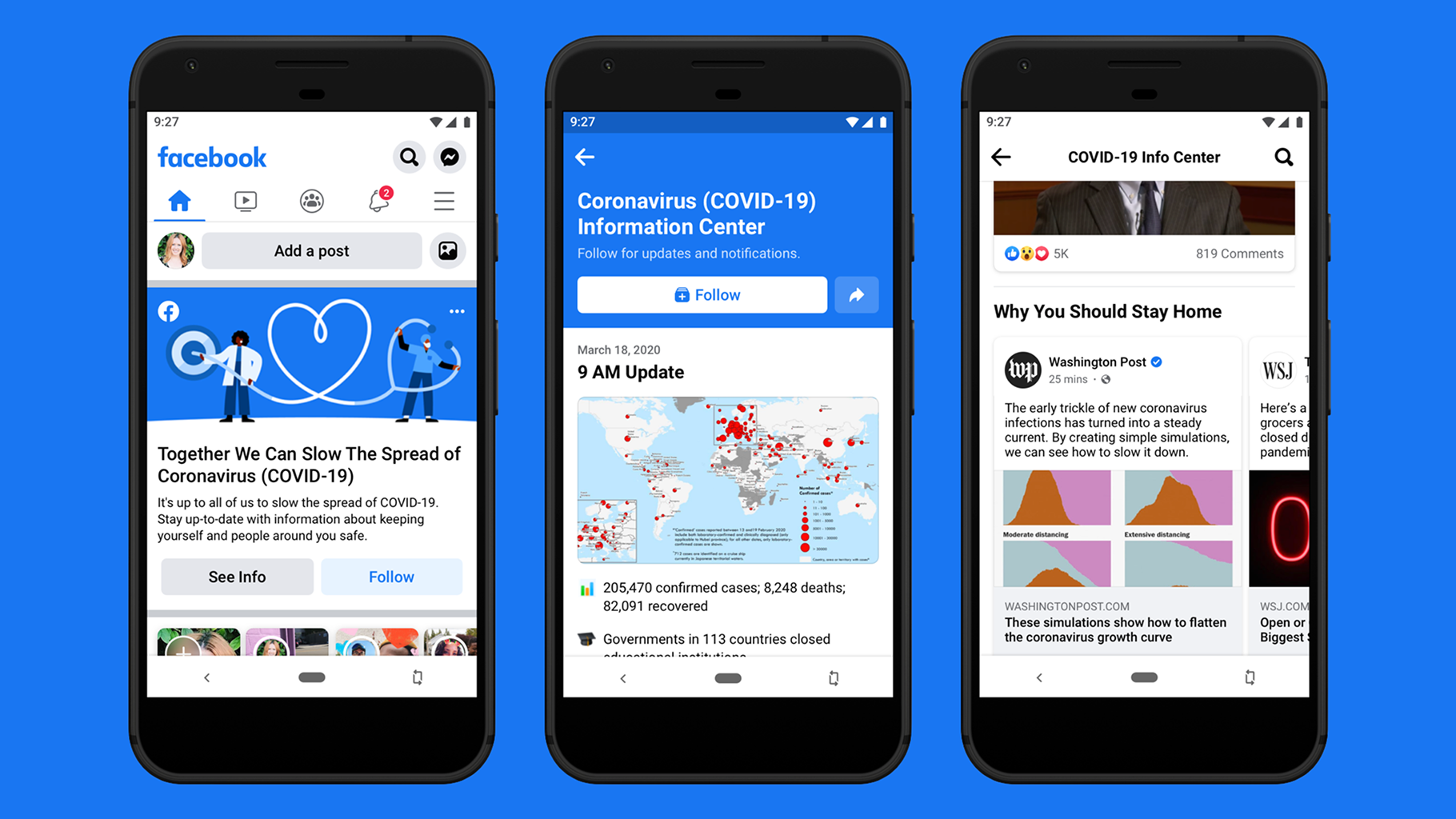
In response to the global health crisis triggered by the COVID-19 pandemic in 2020, Facebook set out to address the urgent need to deliver accurate, reliable information about the virus to users worldwide.
In partnership with market research firm Ipsos US, we took on the challenge of conducting exploratory and evaluative research centered on the Facebook Coronavirus Information Center, tailored specifically to users in Spain.
The main objective was to gain deep insights into how Spanish users interacted with the platform and identify ways to enhance the experience to better meet their information needs during the health crisis.
Executing this project presented several key challenges:
In my role as UX Manager and Research Lead at Torresburriel Estudio, I remotely coordinated operations from Chile. This involved managing TBE’s research team and collaborating with recruiting agency Silvia Roca across Spain.
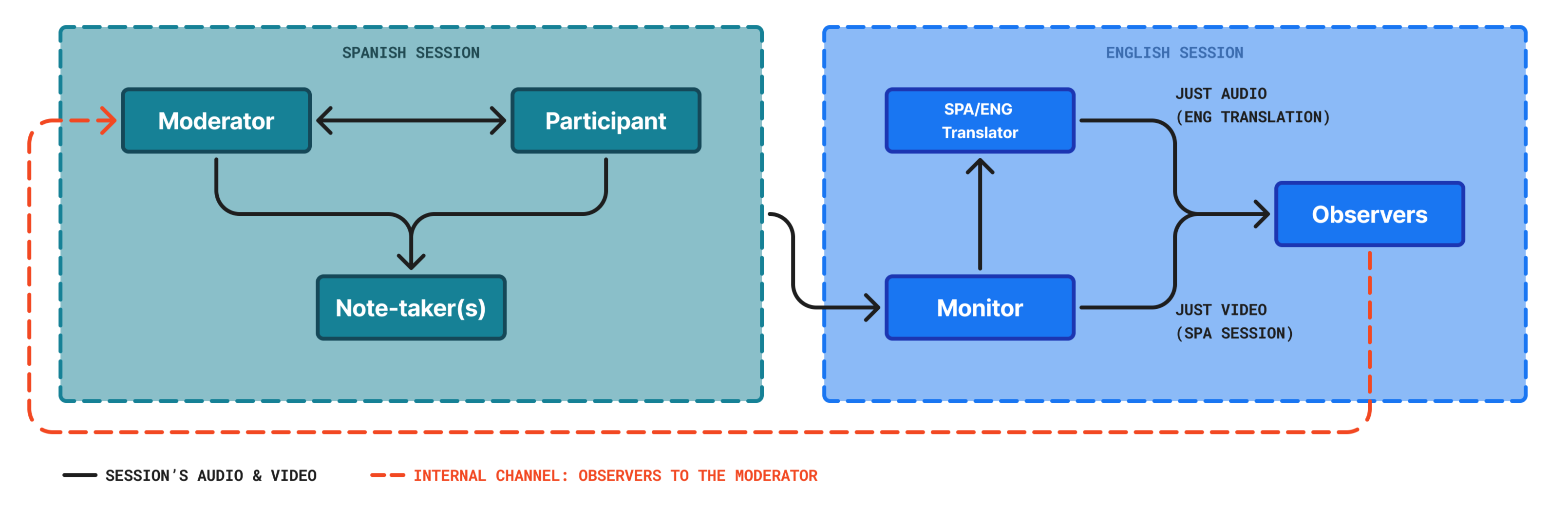
We conducted remote In-Depth Interviews (IDIs) using Google Meet, supported by a multi-role session setup:
In charge of guiding conversations, ask key probing questions, and encourage active participant engagement.
Spanish users who shared their experiences, perceptions, and information needs regarding COVID-19 and Facebook’s platform.
Team members in charge of documenting detailed observations, key comments, and user behaviors throughout each session.
Facilitated real-time translation between the moderator and participant, ensuring clear, accurate comprehension for English-speaking Stakeholders.
Stakeholder representatives who watched sessions live to gain direct insight into user reactions while communicating feedback and follow-up questions to the moderator via an internal backchannel.
In charge of supervising technical performance to ensure flawless session execution without interruptions.
The research delivered key insights into how users in Spain accessed and evaluated the credibility of COVID-19 information, providing an accurate reading of user interactions with Facebook’s Coronavirus Information Center.
Identified operational friction and readability issues, providing actionable insights that guided subsequent platform iterations to speed up access to critical public health data.
Evaluated how users perceived the trustworthiness of presented content, allowing the team to refine communication strategies and mitigate misinformation during the health crisis.
The live translation infrastructure enabled US stakeholders to observe findings in real time, accelerating strategic consensus on required design updates.
By testing user comprehension in a high-stakes environment, we prevented potential misunderstandings regarding public health guidelines and safeguarded the tool’s overall effectiveness.
I've spent 15+ years helping companies, startups, and professionals make smarter decisions in UX Design and Product Strategy.
Whether you're looking to grow your career or your company needs consulting or coaching for its team, just send me an email using this form.
You can also reach me through any of my social platforms.